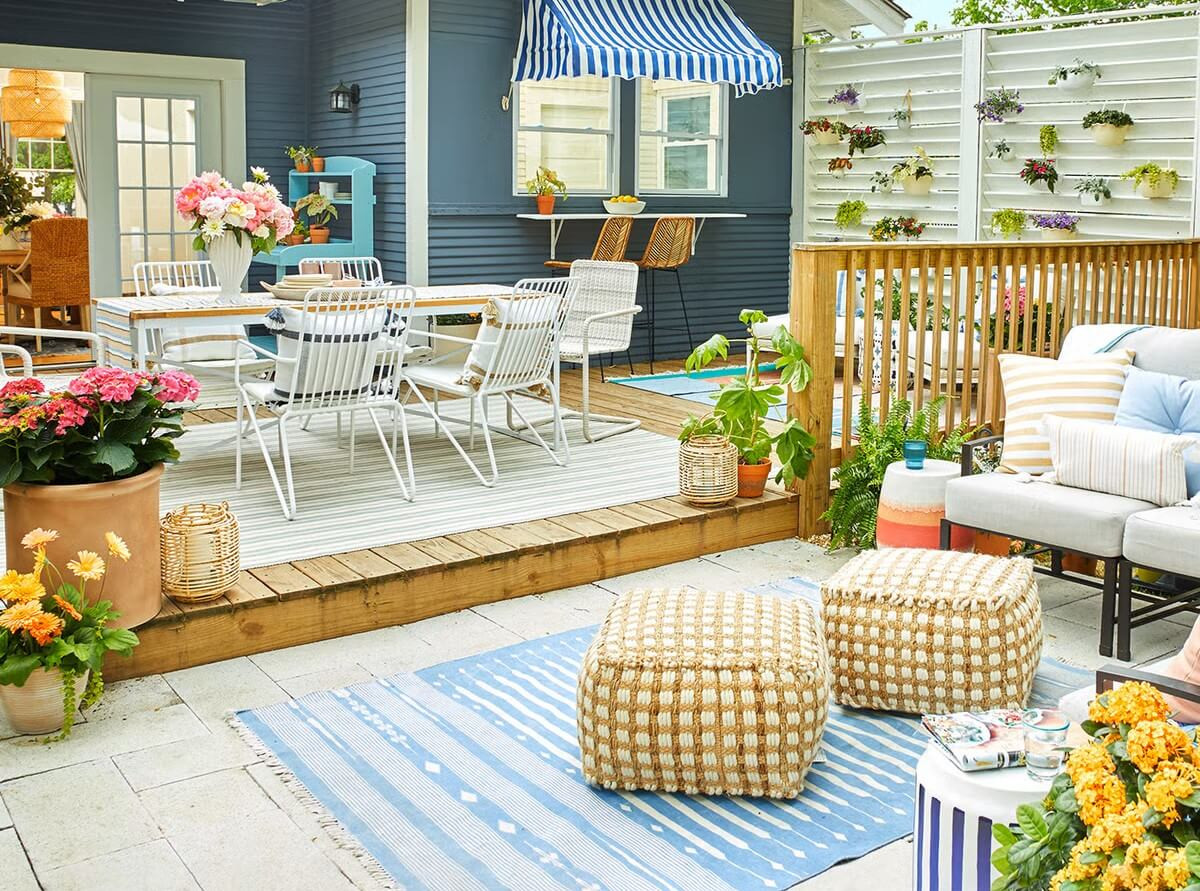
A large backyard is becoming something of a luxury, particularly in areas where residential plots are getting smaller, and property prices continue to rise. But having limited outdoor space doesn't mean you have to settle for a bare patio or a few pots squeezed against the fence.
You might not have room for a large lawn, a vegetable garden, and a spacious entertainment area, but you can combine some of these features seamlessly.
Whether you live in a townhouse, apartment, or a small home, there are plenty of ways to make your outdoor backyard space more functional and attractive.
Here are some ideas worth considering:
Things to Consider Before Starting
A little planning can save you from spending money on features that don't fit your space or suit the way you use it.
Before buying plants, furniture, or landscaping materials, think about what you actually want from the garden.
Space Availability
Start by looking at the layout rather than immediately thinking about what to add. Where does the sunlight fall? Which areas are shaded? Are there awkward corners, narrow pathways, or sections that are currently going to waste?
Vertical gardening, for example, can make better use of a fence or wall that would otherwise remain empty.
You could install vertical garden boxes for growing vegetables and herbs, leaving the ground available for seating or other features.
It's also important to decide how you intend to use the space.
Do you picture a place where friends and family can gather, or would you rather have somewhere quiet to sit with a book? Perhaps you would like a small kitchen garden close to the house.
Choose one main purpose and let it guide the layout.
You can still incorporate other features, but trying to accommodate everything at once can make the garden feel cramped. Set a realistic budget, too, so that the transformation doesn't become more expensive than necessary.
Use Multipurpose Products
Furniture that serves more than one purpose is great when every square meter counts.
A wooden bench with storage underneath, for instance, provides somewhere to sit while keeping outdoor cushions, gardening tools, and other accessories out of sight.
You could also use a storage box as an extra seat when entertaining guests.
Folding chairs and collapsible tables are other options. Set them up when you need them, then fold them away to free up the space for gardening or other activities.
The same principle applies to built-in seating, planters with integrated benches, and outdoor tables that can be extended when visitors arrive. You get the functionality without permanently filling the garden with furniture.
11 Low-Budget Landscaping Ideas for Your Small Backyard
1. Create a Container Garden Using Tiered Planters
Why limit yourself to a single row of pots when you can grow upwards?
Tiered planters make it possible to grow several vegetables, herbs, or flowering plants within a relatively small footprint. This is especially awesome on patios where digging garden beds isn't an option.
Timber planters can give the arrangement a natural appearance, while stacked containers and raised planting boxes allow you to experiment with different heights. You could dedicate one section to kitchen herbs and use another for seasonal flowers.
Just remember to consider the watering needs of the plants you choose. Soil in elevated containers tends to dry out faster, especially during warm weather.
Also, make sure the structure is stable and can support the weight of the containers once filled with soil and water.
2. Incorporate a Small Water Feature
A water feature can become an interesting focal point without taking up much room. The gentle sound of running water also adds another dimension to an outdoor space that might otherwise feel rather plain.
You don't need an elaborate pond or expensive installation. Small fountains can be made using stacked rocks, ceramic pots, repurposed containers, wooden barrels, or even a converted birdbath.
A simple recirculating pump can keep the water moving, so you don't have to keep refilling the feature from scratch.
Place it where you can enjoy the sound from your seating area. One thing to consider is maintenance. Standing water can attract mosquitoes, so keep the pump running, clean the feature regularly, and avoid allowing water to stagnate.
3. Make Use of the Sky with a Vertical Garden
Fences, walls, and trellises are valuable planting spaces that often go unused. Instead of filling the ground with more pots, use these vertical surfaces to introduce flowers, herbs, and trailing plants.
There are several ways to do this:
You can hang individual pots along a fence, install a wall-mounted planter, or attach a wooden trellis for climbing plants. Freestanding vertical garden systems are another option when you don't want to drill into an existing wall.
The choice of plants depends on how much sunlight the area receives. Herbs and flowering plants work well in many setups, while climbing varieties can provide attractive coverage along a fence.
Besides, make sure the wall or fence can support the weight of the installation once everything is planted.
4. Lay Artificial Turf
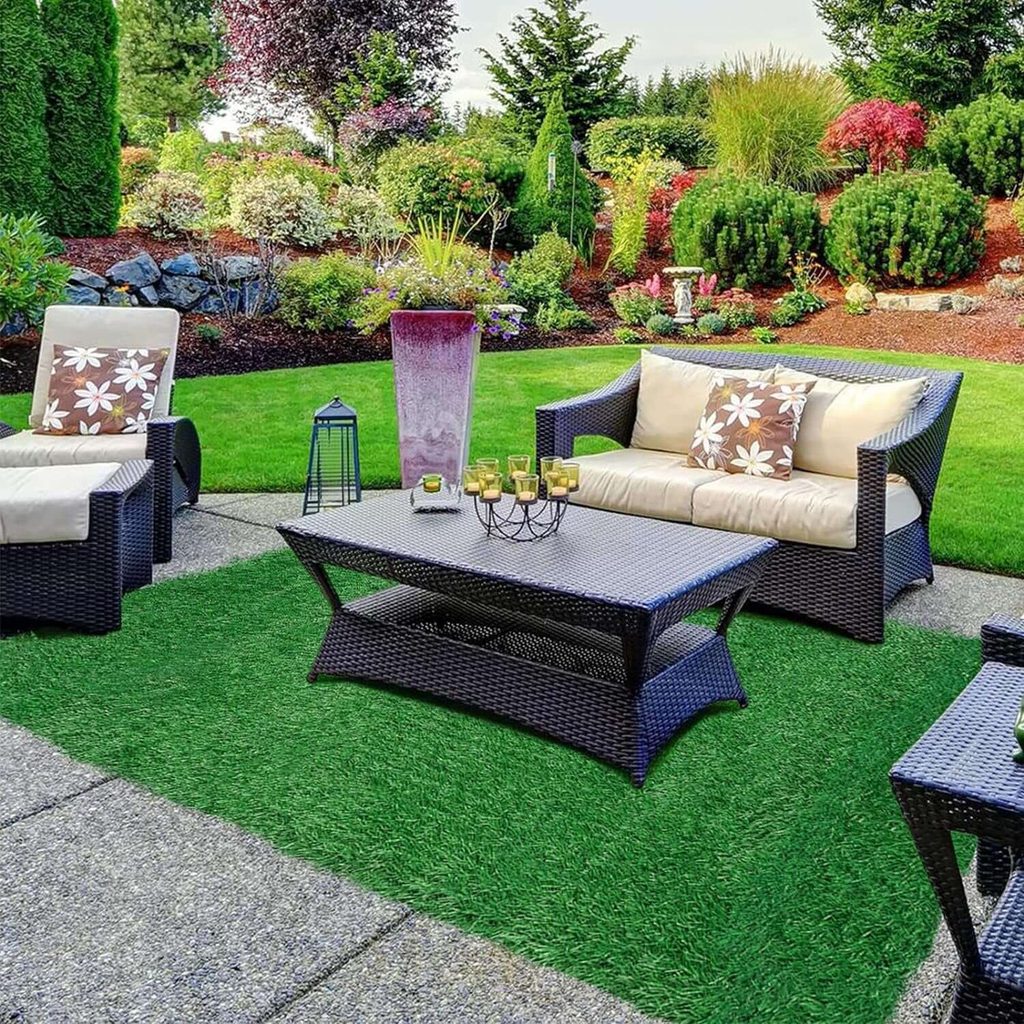
Not every outdoor space has enough room for a natural lawn. Artificial turf offers another way to introduce the appearance of greenery, particularly on patios and hard-surfaced areas where growing grass would be difficult.
For instance, a section of faux turf can soften the appearance of a concrete or stone patio and create a visual connection between the seating area and nearby planting beds.
It can also be useful for narrow spaces where maintaining natural grass would be inconvenient.
However, you need to make sure the underlying surface drains properly and use a suitable product designed for outdoor conditions.
Artificial turf can become quite hot in direct sunlight, so consider where it will be installed, especially if children or pets will use the area.
You don't have to cover the entire patio, either. A smaller section bordered by paving stones or planters can provide the effect without making the whole garden look artificial.
5. Create an Outdoor Entertainment Area
A limited amount of space doesn't mean you have to give up outdoor entertaining. You simply need to be selective about what goes into the area.
A small timber or composite deck can provide a defined place for an outdoor dining table, a compact grill, and a few chairs. Built-in seating is particularly useful because it can accommodate more people without requiring several separate pieces of furniture.
You might also include a small serving counter or storage cabinet for outdoor dining accessories. A bar fridge can be convenient, but it isn't essential if your budget or available space is limited.
The important thing is to leave enough room for people to move around comfortably. Avoid filling the deck with furniture that looks good in a showroom but leaves little space once everyone sits down.
6. Create a Quiet Relaxation Spot
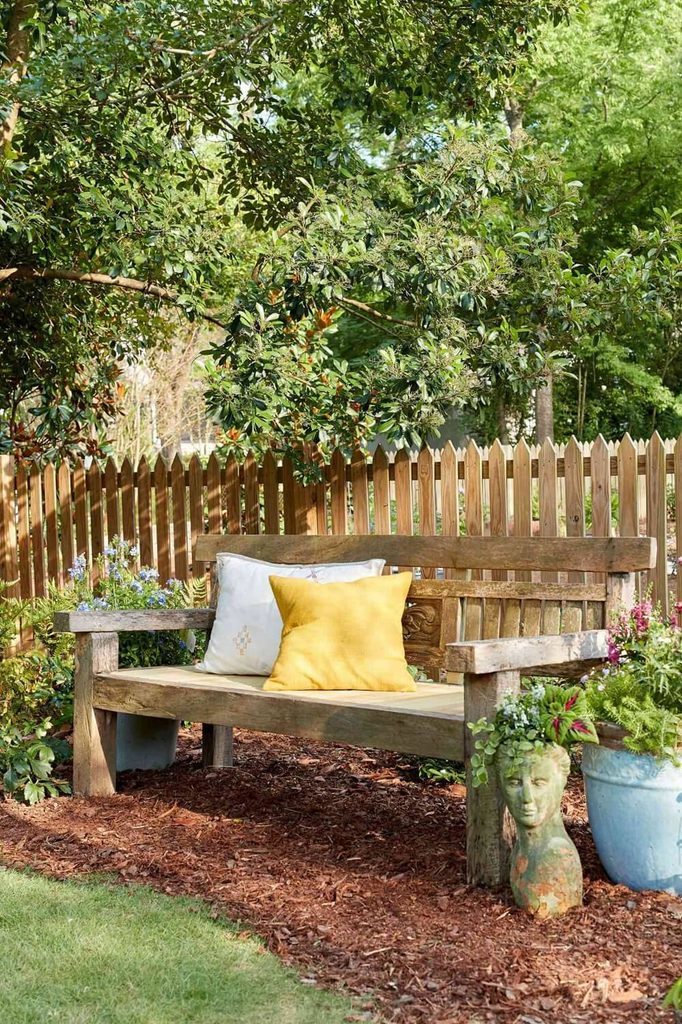
Not every corner needs to serve as an entertainment area. Sometimes, all you need is a comfortable place to sit outside, enjoy the fresh air, and read a book.
A simple pergola or small gazebo can provide some shade and give this part of the garden a sense of separation. Pair it with a comfortable outdoor chair or a compact seating arrangement and a small coffee table.
You can soften the space with climbing plants, hanging baskets, or a few potted flowers. A simple wooden pergola can also make the area feel more private without completely closing it off from the rest of the garden.
Before building anything permanent, check how much shade the structure will create. You don't want to block sunlight from a vegetable garden or other plants that need full sun.
7. Bring the Garden to Life with Plants and Flowers
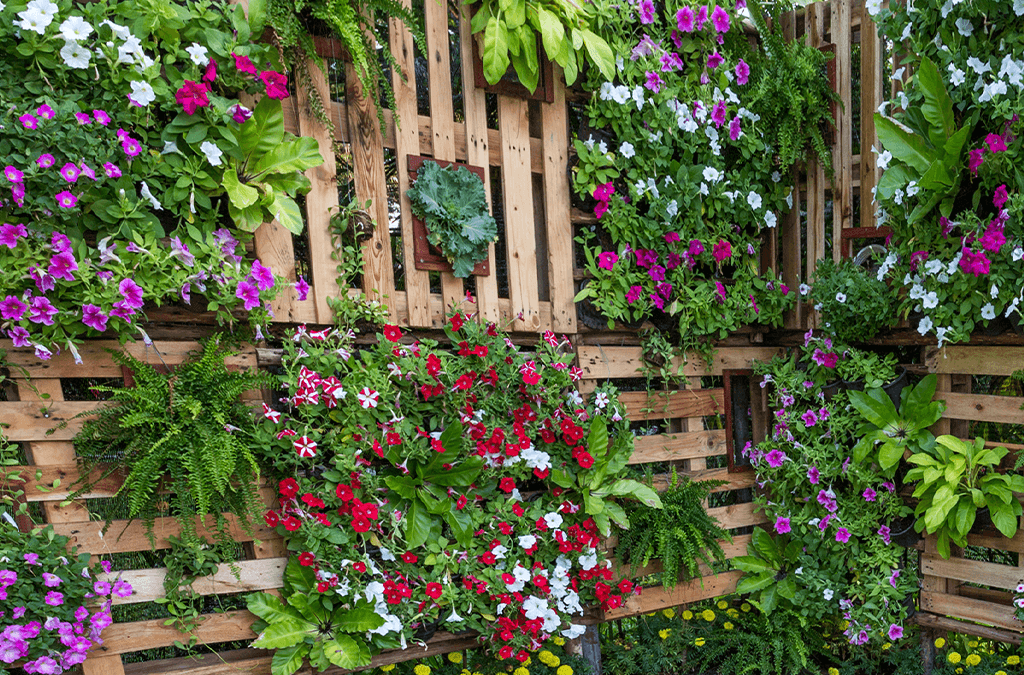
A garden can feel surprisingly empty even when it has plenty of furniture and decorative features. Plants help bring the different elements together, adding color, texture, and a more natural appearance.
You don't need a large collection to achieve this. A few well-chosen shrubs, flowering perennials, and ornamental grasses can make a noticeable difference.
For narrow planting areas, look for plants that grow upright rather than spreading extensively. Small trees with manageable root systems can also provide height without occupying too much ground space.
You can also use different container heights to create layers. Place taller plants towards the back, medium-sized flowers in the middle, and smaller ground-level plants towards the front.
8. Build a Murphy Bar
If outdoor entertaining is part of your plan, a Murphy bar is an interesting way to add a serving area without giving up permanent floor space.
Unlike a conventional bar, this type of setup folds against a wall or fence when not in use. Open it when guests arrive, arrange your drinks and accessories, and fold it away once you're finished.
You can make a simple version using timber or repurposed wood, provided the construction is sturdy and the hinges and support brackets can carry the weight safely.
A small shelf or fold-down counter is often enough for serving drinks and snacks. You could also incorporate a few hooks or shelves for glasses and other accessories.
Just be sure to install it at a convenient height and in a position where the open counter won't obstruct a pathway. When folded away, it should leave the garden looking neat rather than becoming another bulky feature.
9. Get Chatty with a Conversation Area
A designated gathering spot can make even a modest garden feel more inviting. Rather than scattering chairs around the yard, arrange them together to create a natural place for conversation.
A small deck or paved section just outside the back door is a convenient location. A couple of outdoor chairs facing each other, with a small table between them, may be all you need.
For larger spaces, a compact fire pit can become the center of the arrangement, providing warmth and a focal point for evening gatherings.
Choose an appropriate outdoor model, observe clearance requirements, and keep it well away from combustible furniture, fences, and overhead structures.
You can make the area more comfortable with outdoor cushions and a few potted plants. The aim is to create a spot that feels welcoming without crowding the rest of the garden.
10. Create Levels and Dimension
A completely flat garden can sometimes look smaller than it actually is, particularly when everything is arranged along one level. Introducing different heights can help distinguish individual areas and make the layout more interesting.
Raised garden beds, low retaining walls, and steps are useful ways to achieve this.
For example, you could have a raised planting area along one side and a lower paved section for seating or dining.
Timber sleepers, masonry blocks, and natural stone can all be used to create raised sections, depending on the look you prefer.
You don't necessarily need a large change in ground level. Even a slightly elevated planter or a small platform can introduce enough variation to make the space feel more thoughtfully designed.
Before installing retaining walls or changing ground levels, consider drainage and soil movement. Poorly planned raised areas can direct water towards your house or create other problems during heavy rain.
11. Use Outdoor Lighting to Add Depth
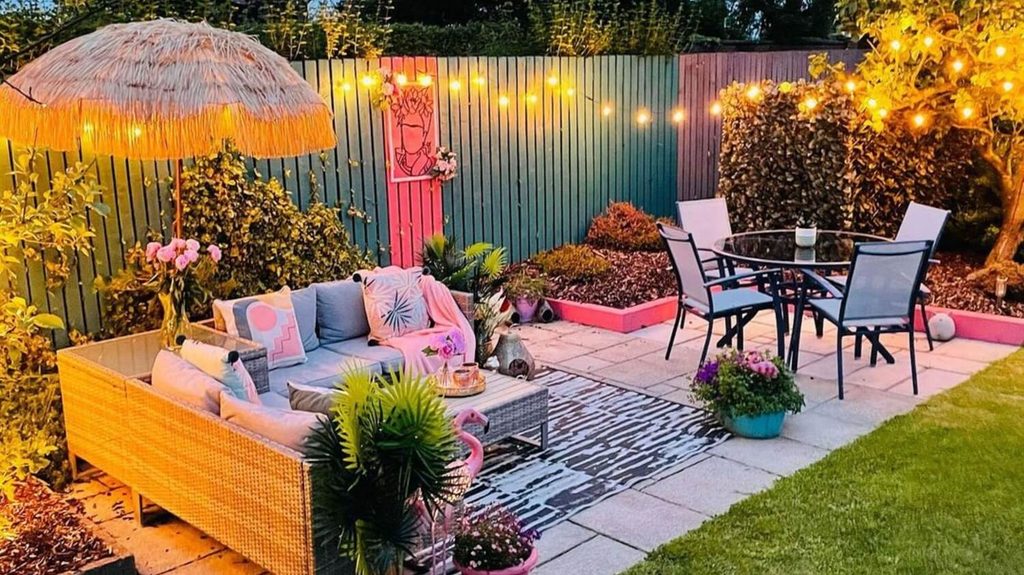
A garden doesn't have to disappear once the sun goes down. With a few well-placed lights, you can make it more welcoming in the evening and highlight features that might otherwise go unnoticed.
Start with the areas that need practical lighting. Steps, pathways, and entrances should be easy to see, particularly when guests are visiting.
Then consider adding softer lighting around the seating area, along a fence, or beneath a pergola. Solar pathway lights, wall-mounted fixtures, and low-voltage landscape lighting can all work well, depending on your layout and budget.
You can also use small spotlights to highlight a tree, an attractive planter, or a water feature. This creates different layers of light rather than illuminating the entire garden with one bright fixture.
Keep the arrangement simple.
Too many lights can make the space look cluttered, while a few carefully positioned fixtures will draw attention to the features you actually want people to notice.
You may also be interested in checking out these fast-growing trees for privacy screens.
Conclusion
There you go.
Eleven low-budget landscaping ideas for your small backyard.
What’s even better is that you don't have to incorporate all 11 ideas, either. Pick the ones that suit your lifestyle, available space, and budget.
A well-planned seating area with a few attractive plants can be much more enjoyable than a garden crowded with features you rarely use.