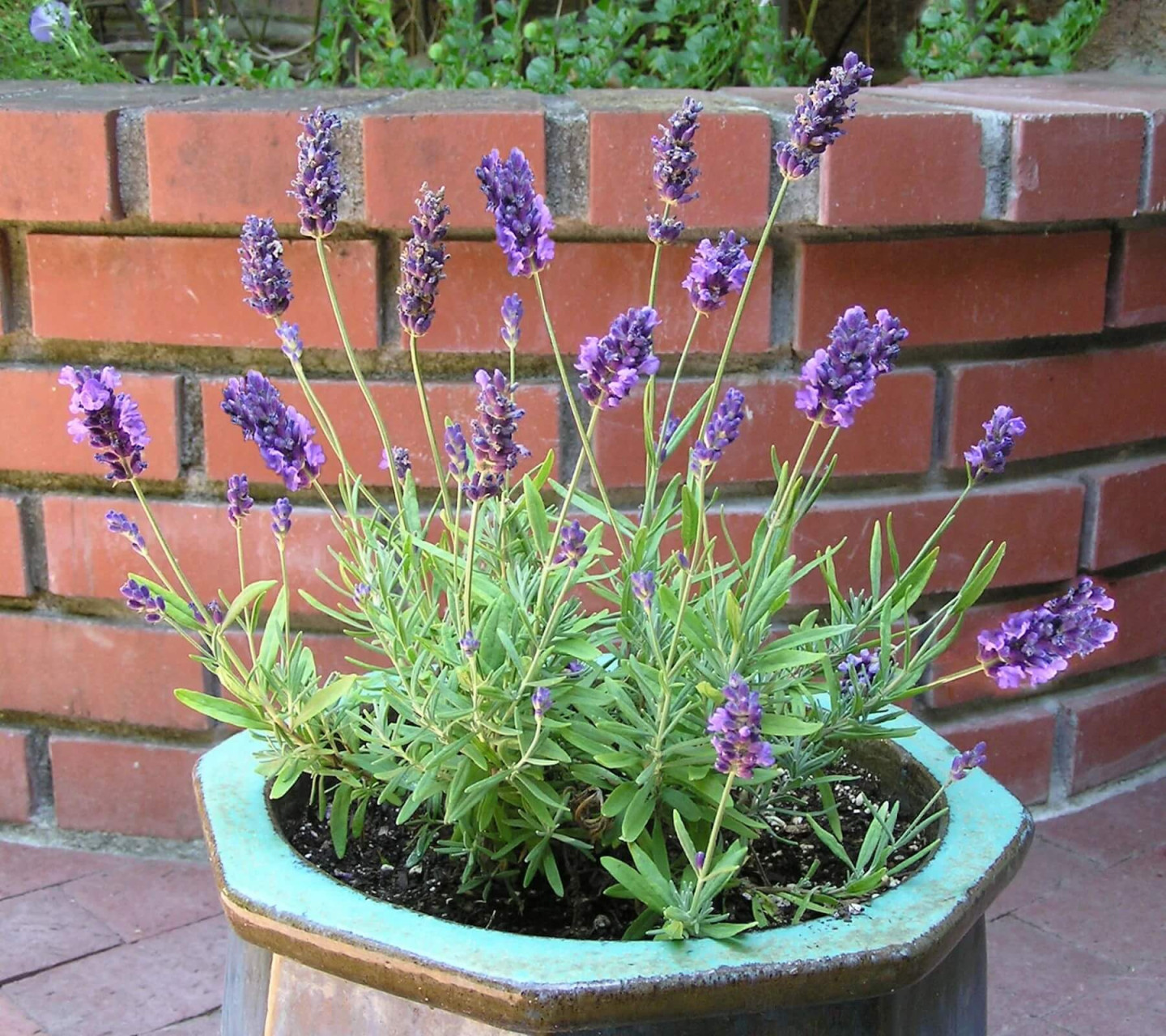
For years, gardeners have grown lavender as one of their favorite herbs. Its fragrance, attractive foliage, beautiful flowers, and more practical uses make it a welcome addition to almost any garden.
Growing it in pots has become particularly useful for people who don't have much garden space.
A sunny balcony, patio, or even a suitable windowsill can provide enough room for a plant or two. This makes it a good choice for urban gardeners with small allotment space.
Like mint, lavender belongs to the Lamiaceae family. It is a semi-woody perennial sub-shrub, and depending on the variety and growing conditions, its foliage can remain evergreen throughout the year.
There is plenty to do with the flowers once they appear. Fresh blooms can be used to flavor sauces and desserts, while dried ones are popular in flower arrangements and other decorative crafts.
You can also make lavender sugar or harvest the flowers for their fragrant essential oils.
The main challenge when growing it in containers is getting the soil and watering right. These plants prefer sunny conditions and relatively dry, well-drained soil, which is quite different from what many other potted flowers need.
Let's look at how to get started.
Select the Best Lavender Variety for Growing in Pots
Choosing the right variety can save you quite a bit of trouble later. Some types grow into large, spreading bushes, while others remain compact and are much easier to manage in containers.
Dwarf and compact cultivars are usually the best choices. They take up less room, are easier to shape through pruning, and don't require an unusually large container to accommodate their growth.
You could also consider Lavandula citronellum 'Mabel Gray' if you are particularly interested in fragrant foliage. Its leaves have a distinctive scent, with notes that can resemble mint, rose, lemon, cinnamon, and even chocolate.
English lavender is another good option, especially if you intend to use the flowers in cooking. French lavender can also be grown in pots, although it is generally less tolerant of cold conditions.
Before settling on a plant, check its expected mature size and whether it suits your local climate. A variety that looks small at the garden center may eventually become too large for the space you have available.
The Best Soil for Lavender in Pots
Unlike many flowering plants, lavender does not need rich, heavily fertilized soil to perform well. In fact, it generally prefers relatively poor, alkaline or neutral soil with very good drainage.
The problem with ordinary garden soil is that it can become compacted inside containers. Once this happens, water takes longer to drain, leaving the roots sitting in conditions they simply don't enjoy.
For this reason, avoid filling your pots with soil dug directly from the garden or ordinary bagged topsoil. A suitable container potting mix is a better starting point.
You can use a commercial potting compost or a loam-based mix, provided you improve its drainage with coarse horticultural grit. Around 20 to 25% grit by volume is a useful guide. This helps maintain an open structure so excess water can escape without the growing medium drying out too quickly.
There is no need to choose an especially rich mix. Too much organic matter and fertilizer can encourage excessive leafy growth, while the flowers may not be as impressive as you would like.
Growing Lavender in Pots Step by Step
Once you've found a suitable variety and prepared the potting mix, planting is quite simple.
Pay particular attention to the container size and the position of the crown, since both can affect how well the plant settles in.
Step 1: Choose the right pot size
Consider the mature size of your plant before selecting a container. A pot measuring approximately 12 to 16 inches in diameter will accommodate many compact varieties, although larger cultivars may eventually need more room.
The container does not need to be exceptionally deep, but it should provide enough space for the roots to develop.
A sturdy planting pot is a good choice, particularly for plants that develop into bushy specimens.
Step 2: Check the drainage holes
Make sure the pot has drainage holes at the bottom. Excess water must be able to escape freely; otherwise, the growing medium may remain too wet and encourage root rot.
Step 3: Add the potting mix
Fill the container to about three-quarters of its height with your prepared, well-draining mix. A suitable organic potting mix, amended with coarse grit, will work.
Step 4: Position the plant
Remove the plant from its nursery pot and place it in the center of the container. Keep the crown at approximately the same level as it was growing in the original pot. Avoid burying the base of the stems beneath the growing medium.
Step 5: Fill around the roots
Add the remaining mix around the root ball, leaving a few centimeters between the soil surface and the rim of the container. Gently firm the mixture to remove large air pockets, but don't press it down too hard.
Step 6: Water lightly
Give the plant a thorough initial watering to settle the mix around its roots. Allow the excess water to drain before placing the container in its permanent position.
Step 7: Finish with a light top dressing
A thin layer of light-colored gravel or horticultural grit will help keep the soil surface tidy and discourage weeds. Keep it away from the crown and the base of the stems.
Now that the planting is done, the next step is getting the growing conditions right. Here's what to pay attention to.
How to Care for Lavender Plants in Pots
How Often Should You Water?
One of the easiest ways to get into trouble with potted lavender is to water it too frequently. Although young plants need regular moisture while establishing, established ones are much more tolerant of dry conditions.
Start by checking the soil rather than following a fixed watering schedule. When the growing medium has dried near the surface, water thoroughly, allowing the excess to escape through the drainage holes.
During hot weather, containers dry out faster than garden soil, so you may need to water more often. Newly planted specimens also need closer attention during their first growing season while the roots establish.
Once the plants are well established, reduce watering to what is actually necessary. During cooler weather, particularly in winter, the soil should be kept relatively dry.
Pro Tip: Don't mistake drought tolerance for an ability to survive indefinitely without water. A plant growing in a small pot has limited soil from which to draw moisture, so check it during prolonged dry spells.
Expose Your Plants to Plenty of Sunlight
If you want plenty of flowers and strongly scented foliage, give your pots a sunny position. Aim for at least six hours of direct sunlight daily.
The more suitable sunlight the plants receive, the better their flowering is likely to be. Insufficient light often produces weak, stretched growth with fewer blooms.
A sunny patio, balcony, or south- or west-facing windowsill can be suitable, depending on the intensity of the sun in your area.
Where surrounding trees or structures cast too much shade, consider moving the containers to a brighter position. You can also prune back overhanging branches where appropriate.
There is no need to keep moving the pots around throughout the day. Finding a position that receives enough direct sunlight is usually all that's required.
Apply Mulch to Conserve Moisture
Mulching can help reduce weeds and keep the surface of the potting mix from drying too quickly. However, the material you choose matters.
Unlike plants that appreciate a thick layer of organic mulch, these herbs do better with a thin dressing that does not trap excessive moisture around the stems.
Light-colored materials such as gravel, shells, or horticultural grit are particularly suitable. They allow water to pass through easily and help keep the surface around the crown relatively dry.
Straw is sometimes used as mulch in gardens, but it is not my first choice for container-grown lavender because it can retain more moisture around the base of the plant.
Whatever material you use, keep it away from the crown. The aim is to cover the surface lightly, not bury the lower stems.
Remove Weeds Regularly
Weeds might not seem like a major problem in a small container, but they still compete with your plants for available water and nutrients.
Pull them out while they are young, taking care not to disturb the roots of the main plant. This is easier than waiting until they have developed an extensive root system.
Keeping the surface clear also improves airflow around the lower stems and makes it easier to spot changes in soil moisture.
Apply Fertilizer Sparingly
It's tempting to feed every potted plant regularly, especially when you want to encourage more flowers. However, lavender is not a heavy feeder, and frequent fertilizer applications can do more harm than good.
Too much nitrogen encourages leafy growth, which may come at the expense of flowering. It can also make the stems softer and less compact.
If you've planted in a suitable potting mix, additional fertilizer may not be necessary. Where growth is particularly weak and you've ruled out poor sunlight, waterlogging, and other problems, you can consider a light application of a balanced fertilizer.
Avoid heavy feeding, especially during fall. Late applications can encourage tender new growth that may not withstand colder conditions.
You can also use a modest amount of compost when preparing the potting mix, but don't keep adding it every time you water.
Tip: Always read the fertilizer label before applying anything. More nutrients do not necessarily mean better flowers.
Pruning to encourage more growth
Without regular pruning, the stems gradually become woody, and the plant can lose its compact, rounded shape. This is particularly noticeable in containers, where an untidy bush can quickly dominate the available space.
The best time for the main pruning is generally after flowering, often in late summer. Remove the spent flower stalks and lightly trim the leafy growth to maintain the shape.
During the first growing season after planting, some gardeners remove the initial flower buds or stalks to encourage the plant to concentrate on establishing its roots and foliage. This is optional, but it can be useful when a young plant needs time to settle in.
You can also tidy up dead or frost-damaged growth in early spring. However, be careful not to cut deeply into the old, bare woody stems. Lavender does not reliably produce new shoots from old wood, so severe pruning can leave permanent gaps or kill sections of the plant.
If winter has been particularly harsh, wait until new growth begins before deciding which branches need removing. Cut damaged stems back only as far as healthy growth.
For older plants that have become badly woody and sparse, taking cuttings from healthy young stems may be a better option than attempting to rejuvenate the entire bush with hard pruning.
How to Harvest Mature Lavender
Harvesting is one of the more enjoyable parts of growing these plants, particularly when you intend to dry the flowers for arrangements, potpourri, or other uses.
For dried flower bundles, the best time to cut the stems is when the lowest blossoms on each flower spike have just started opening. At this stage, the flowers retain their color and shape well after drying.
Early morning is a good time to harvest, preferably after the dew has dried but before the heat of the day becomes intense.
Use clean scissors or pruning shears to cut the flowering stems, leaving some leafy growth below the cut. Avoid cutting deep into the woody part of the bush.
The more regularly you remove spent flower stalks during the flowering season, the less untidy the plant becomes. Depending on the variety and growing conditions, some plants may produce another flush of flowers after harvesting.
Once you've collected enough stems, tie them into small bundles and hang them upside down in a warm, dark, well-ventilated place. Good airflow is important because tightly packed bundles can retain moisture and develop mold before they dry completely.
When the flowers are crisp and dry, store them in an airtight container away from direct sunlight.
Common Pests and Diseases
Lavender is generally not a troublesome plant when grown in the conditions it prefers. Most problems are associated with excessive moisture, poor drainage, or insufficient sunlight.
One of the main diseases to watch for is root rot. It is encouraged by cold, wet growing media and poorly drained containers. Affected plants may develop yellowing or wilting leaves, while the roots become discolored and soft.
Reducing watering alone may not be enough if the growing medium is badly compacted. Check the drainage holes, improve the potting mix where necessary, and remove badly damaged roots if you repot the plant.
Although pests are not usually a major problem, whiteflies can occasionally settle on the undersides of the leaves. They feed on plant sap and can leave the foliage looking unhealthy, particularly when infestations become established.
Inspect the leaves regularly, especially underneath. You can remove small infestations by hand or use a strong but gentle stream of water to dislodge the insects. Where the problem persists, use an appropriate insecticidal soap according to its label.
Reflective materials around plants are sometimes used to discourage whiteflies, although they are not a guaranteed solution. Keeping the foliage healthy and checking for pests early are more reliable starting points.
Here are other plants you can grow in containers:
Conclusion
Growing lavender in pots is a good way to enjoy its fragrance and flowers even when you don't have enough room for a traditional herb garden.
The most important thing is to resist treating it like a typical moisture-loving container plant. Use a free-draining, relatively low-fertility growing mix, give it plenty of direct sunlight, and allow the soil to dry somewhat between waterings.
A few other things are worth remembering:
- Choose a compact variety that will fit comfortably in your container.
- Make sure the pot has adequate drainage.
- Use light-colored gravel or grit rather than thick, moisture-retentive mulch.
- Avoid excessive fertilizer, particularly during fall.
- Prune annually, but never cut deep into the old woody stems.
- Harvest the flower spikes when the first lower blossoms begin to open.
With these basics in place, you can enjoy a healthy, attractive plant without spending too much time maintaining it.